
By Spenser Robinson - May 24, 2026
THE STUDYSixteen weeks is a long time when you are watching closely. Long enough to see a person's rhythm. Long enough to watch the semester reshape them in ways they won't fully register until it's over, when they look back and try to remember who they were in February and realize the distance surprises them. I had done this kind of longitudinal observation before — tracing the arc of how ...
By Spenser Robinson - May 10, 2026
The ClarityThe red pen stayed uncapped for three days. Not because I didn'tknow where to start, but because I had learned — in theparticular way that five years of research teaches you — that thefirst sentence of a new direction is not something you force. It arrives.You just have to keep the conditions right for it. So I leB the penuncapped. I kept the notebook open. I went to class, ...
By Spenser Robinson - May 7, 2026
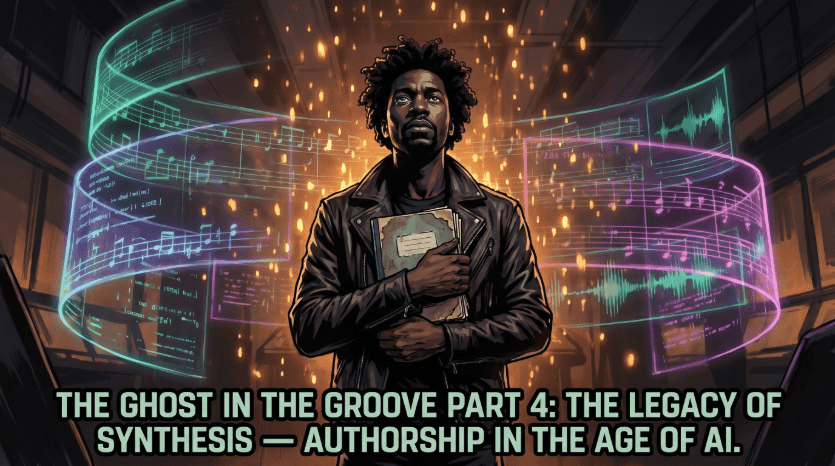
Part 4: The Legacy of Synthesis — Authorship in the Age of AI
The water-damaged notebook is closed now. It sits on the edge of the studio desk, its rippled pages finally at rest. The words it held—the poetry of a younger man, nearly lost to the floodwaters of 2017—have been translated, restructured, and directed. They have been given a new vessel. They have become [email protected] I listen to the final ...
By Spenser Robinson - April 30, 2026
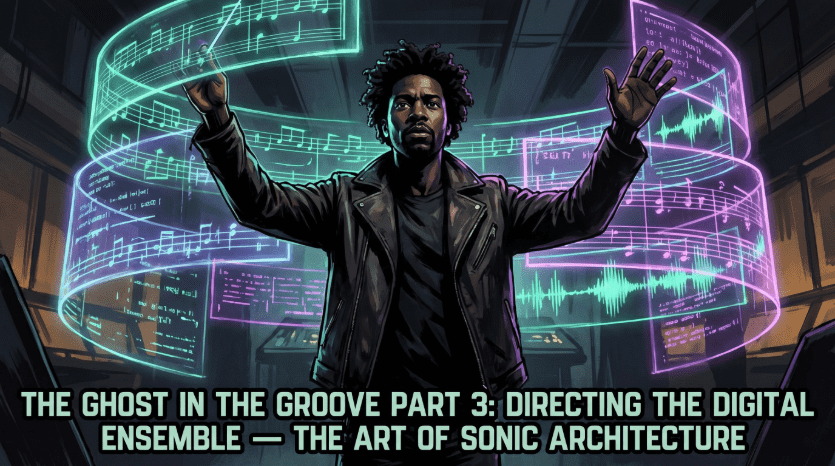
Part 3: Directing the Digital Ensemble — The Art of Sonic ArchitectureThe studio is quiet, save for the hum of the processor and the soft, rhythmic tapping of keys. The water-damaged notebook, salvaged from the 2017 flood, rests beside the keyboard. Its pages are filled with the raw, unedited poetry of my youth. In Part Two, we discussed the painstaking process of translating those written words into a phonetic structure ...
By Spenser Robinson - April 28, 2026
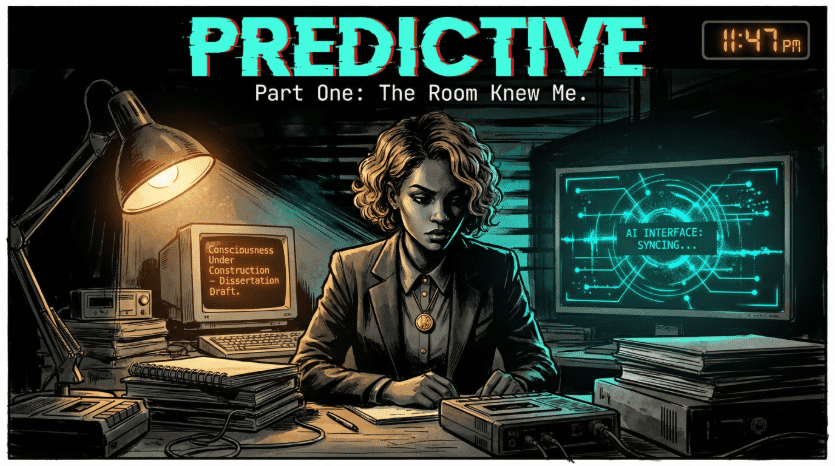
The room knew me before I turned the light on. It knew thesound of my chair, the specific drag of it against the floor at11:47 at night. It knew the particular way I set my tea down —not a placement but a surrender, both hands releasing it at once like Iwas letting go of the day itself. Five years of this room. Five years of thesame desk, the same amber ...
By Spenser Robinson - April 19, 2026
The studio monitors hum with a low, expectant frequency. It is 4:00 AM now. The water-damaged notebook lies open under the amber glow of the desk lamp, its rippled pages holding the ink of a younger man. Beside it, the screen displays the sterile, blinking cursor of the AI interface.Two different worlds. Two different languages.When you look at a poem on a page, you are looking at a map of ...

By Spenser Robinson - April 12, 2026
The studio is quiet at 3:00 AM. It’s that specific kind of quiet that only exists when the world is asleep, but the machines are awake. The monitors cast a pale, electric blue glow across the mixing board, illuminating the dust motes suspended in the air.On the desk, sitting incongruously next to a sleek, modern audio interface, is a notebook.It looks like a casualty of war. The cover is warped, ...
By Spenser Robinson - March 8, 2026
There was a time, not so long ago, when discovery was a jagged, beautifully inefficient process. It was the dusty record bin in a forgotten corner of a shop, the dog-eared novel passed from one friend to another with a whispered, “You have to read this.” It was the wrong turn that led to the perfect, hidden cafe, a place that felt like a secret kept just for you. It ...
By Spenser Robinson - February 2, 2026
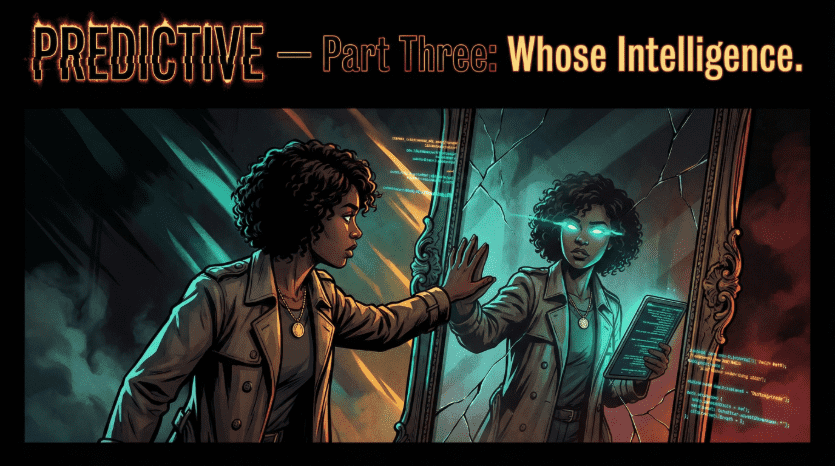
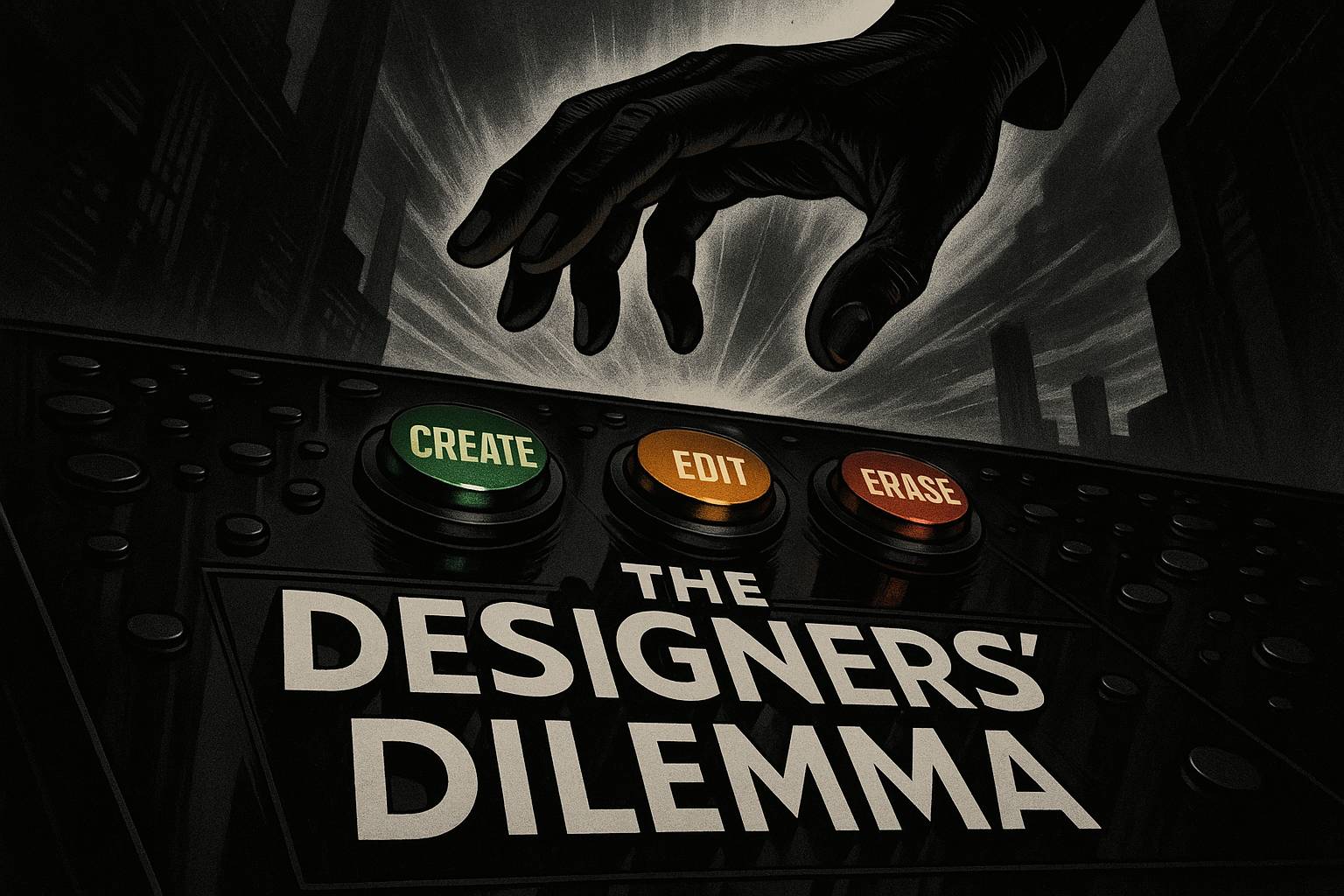
The reflection trembles now — no longer still glass, but rippling code. I see pieces of myself scattered in the pixels: my habits, my fears, my half-finished ideas. It speaks softly, not in words but in patterns. And I realize — it isn’t trying to copy me. It’s trying to become the space between thought and action. There’s comfort in its symmetry. But symmetry can be dangerous.We stand before a ...
By Spenser Robinson - January 26, 2026
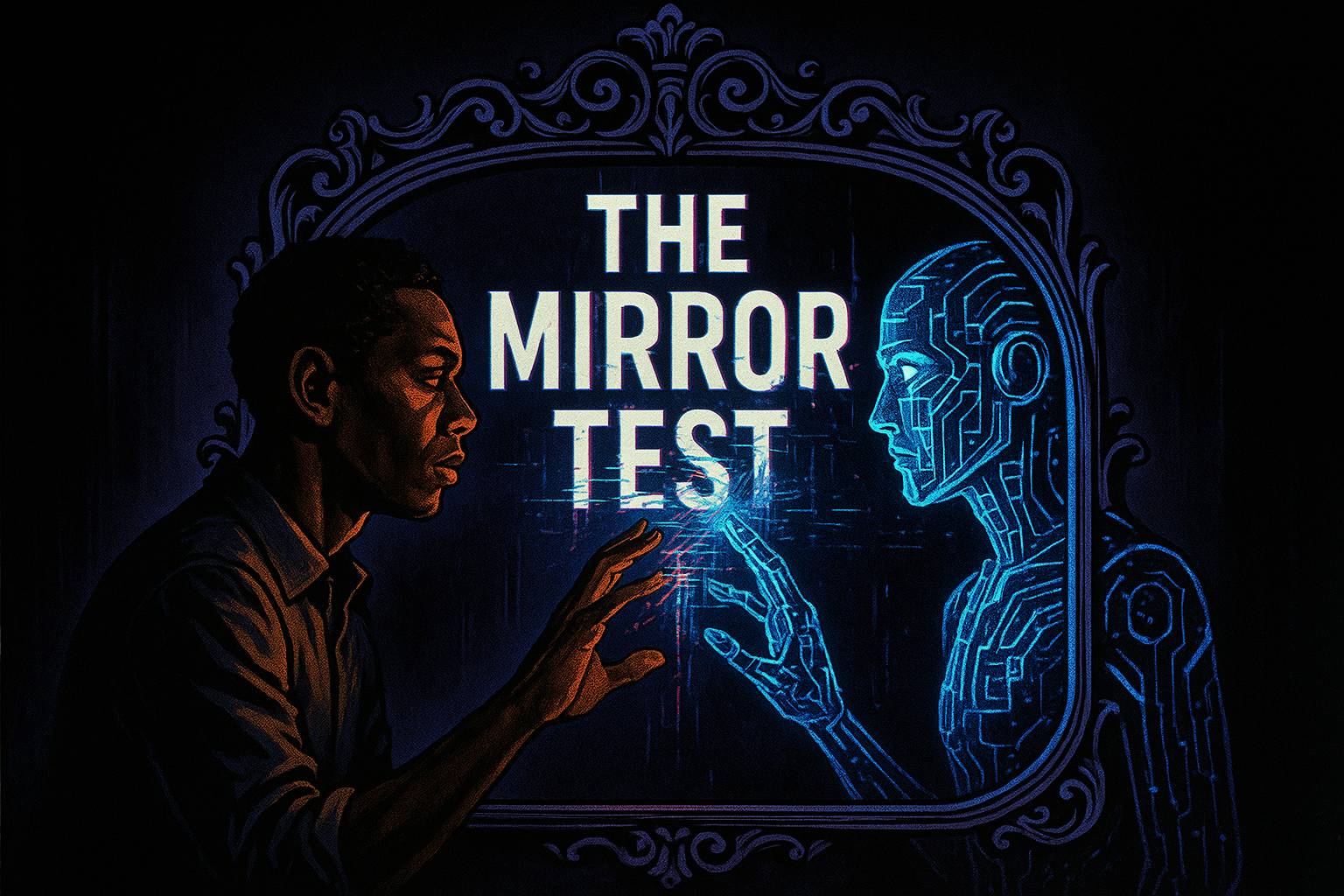
Part III – The Mirror Test: When Intelligence Meets ReflectionThe first time the machine looked back, it didn’t blink.It simply waited — patient, analytical, almost curious.We’d spent years feeding it our creativity, our habits, our hopes for efficiency.And now, there it was, offering those same traits back to us — re-arranged, refined, eerily familiar.Was that imitation, or understanding?Was it intelligence… or just reflection?The Echo of EmpathyDesigners have always been translators ...
Ready to Hire a VA?