
The 2026 Automation Audit: What Your Website Should Already Be Doing
By Spenser Robinson - January 1, 2026
Welcome to 2026. If your website still operates like it’s 2020, you’re not just behind—you’re actively leaking revenue. The modern digital landscape is defined by efficiency, and efficiency is driven by automation. A website that relies on manual follow-ups, disconnected systems, and human intervention for every customer interaction is a relic. It’s time for an honest assessment. This is the 2026 Automation Audit, a foundational check-up to diagnose the costly gaps in your digital strategy and set the stage for a year of measurable growth.
The High Cost of Automation Inertia
Automation inertia—the tendency to stick with outdated manual processes—is a silent killer of businesses. It creates friction for customers, burns out employees with repetitive tasks, and leaves valuable data sitting unused in silos. In 2026, the cost of this inertia is higher than ever. Customers expect instant responses, personalized interactions, and seamless experiences. Competitors are leveraging AI and automation to deliver just that, at scale. If you’re not, you’re not just losing customers; you’re losing the race.
“Automation must be dynamic and responsive. Static, outdated nurturing sequences and delayed timing are no longer acceptable in 2026.”
The Audit: Identifying Your Automation Gaps
This audit is not about chasing shiny new tools. It’s about identifying the fundamental gaps in your existing systems. Let’s break it down into three key areas:
1. Lead Capture and Nurturing
Your website’s primary job is to generate leads. But what happens after a potential customer fills out a form? If the answer involves a human manually sending an email, you have a major automation gap.
Audit Questions:
•Is your contact form integrated with a CRM? Every form submission should automatically create or update a contact in your Customer Relationship Management (CRM) system.
•Does a form submission trigger an immediate, personalized response? A generic “Thanks for your submission” email is not enough. The response should be tailored to the specific form the user submitted and provide immediate value.
•Are new leads automatically entered into a nurturing sequence? A series of automated emails can educate the lead, build trust, and guide them towards a purchase, all without manual intervention.
•Is lead scoring implemented? Not all leads are created equal. An automated lead scoring system can identify your most engaged and sales-ready leads, allowing your sales team to focus their efforts where they will have the most impact.
2. Customer Onboarding and Support
Once a lead becomes a customer, the automation journey is far from over. A smooth onboarding process and efficient customer support are crucial for retention and long-term value.
Audit Questions:
•Is your new customer onboarding process automated? A series of welcome emails, tutorials, and check-ins can guide new customers through the initial stages of using your product or service, reducing churn and increasing satisfaction.
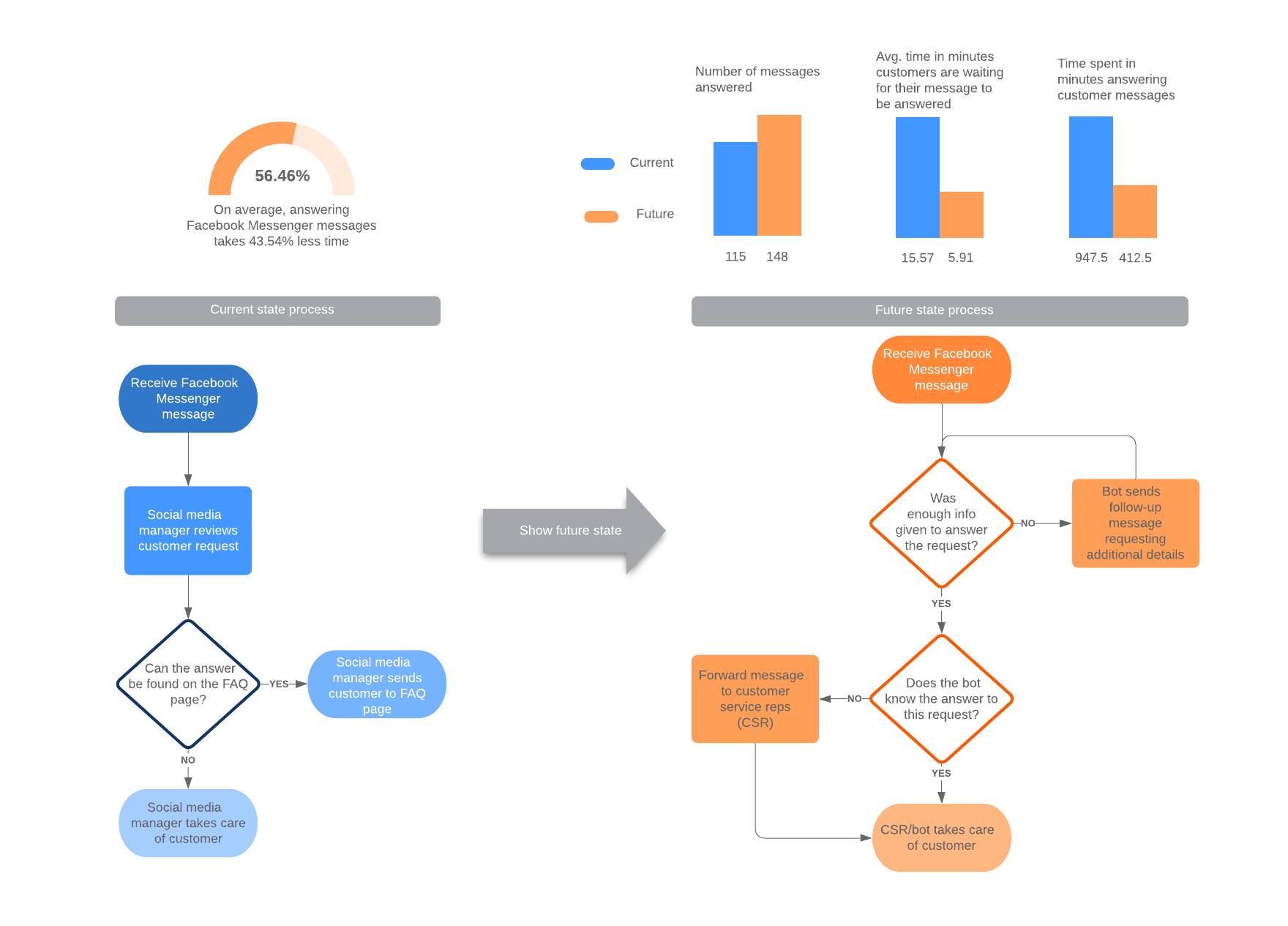
•Are common customer support questions answered automatically? A knowledge base, FAQ section, and AI-powered chatbot can deflect a significant portion of customer support inquiries, freeing up your support team to handle more complex issues.
•Is there an automated system for collecting customer feedback? Automated surveys and feedback forms can help you gather valuable insights from your customers, which you can then use to improve your products and services.
3. E-commerce and Sales
For e-commerce businesses, automation is not just a nice-to-have; it’s essential for survival. From abandoned cart recovery to personalized product recommendations, automation can have a direct and significant impact on your bottom line.
Audit Questions:
•Do you have an automated abandoned cart recovery sequence? A series of emails reminding customers about the items they left in their cart can recover a significant percentage of lost sales.
•Are you using AI-powered product recommendations? Personalized product recommendations can increase average order value and drive repeat purchases.
•Is your inventory management system automated? An automated inventory management system can help you avoid stockouts, reduce carrying costs, and streamline your fulfillment process.
•Are you using dynamic pricing? AI-powered dynamic pricing tools can help you optimize your prices in real-time based on factors like demand, competition, and customer behavior.
From Audit to Action
This audit is just the first step. Once you’ve identified your automation gaps, it’s time to take action. Start with the gaps that are causing the most friction for your customers and the most manual work for your team. Prioritize the automations that will have the biggest impact on your bottom line.
Don’t Know Where to Start? We Can Help.
Conducting a thorough automation audit and implementing the necessary changes can be a daunting task. If you’re a business owner or marketing leader who wants to ensure that your website is fully optimized for automation and growth in 2026, we can help.
Book a free consultation today at bbmpub.business to discuss your automation strategy and get a personalized roadmap for success.
References

About the author
Spenser Robinson
Professional UX Designer, Entrepreneur and overall creative. Spenser has been dedicated to sharing stories from our community and creating opportunities for others through various mediums. Founder of Black Business Mine Publishing House, a company that creates content distinctly for OUR community, while offering business consulting, and comprehensive web design and development services.
MILLIONAIRE WEB SERVICES | BOOK FREE WEBSITE CONSULTATION | SOCIAL MEDIA COURSES
STACKS & STORIES | DIGITAL CRAFT DIGEST | PLAY 2 WIN DA GAME SPORTS | NOTES FROM ELSEWHERE
Ready to Hire a VA?