
The Ghost in the Groove: Part 1: Part 1: The Water-Damaged Archive
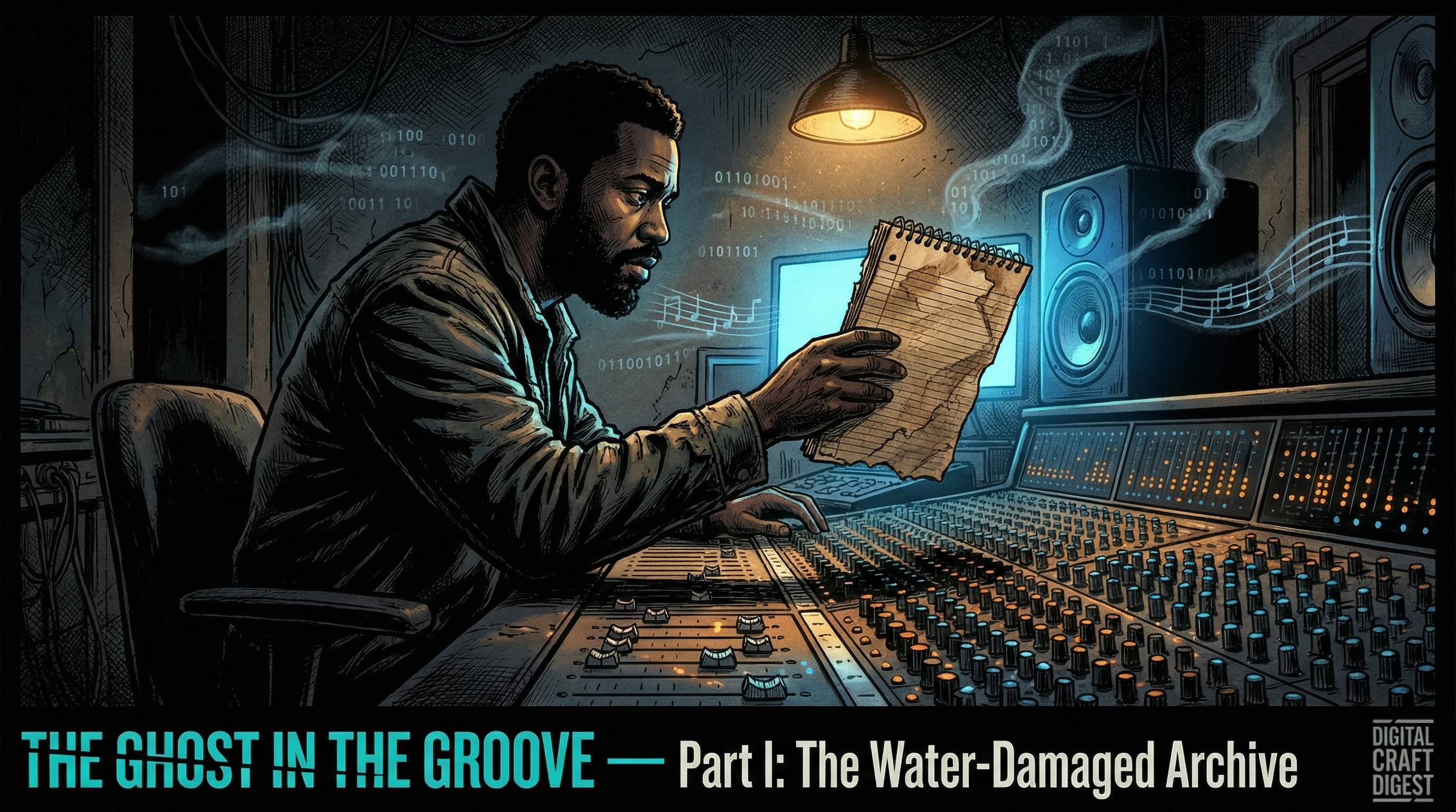
The studio is quiet at 3:00 AM. It’s that specific kind of quiet that only exists when the world is asleep, but the machines are awake. The monitors cast a pale, electric blue glow across the mixing board, illuminating the dust motes suspended in the air.
On the desk, sitting incongruously next to a sleek, modern audio interface, is a notebook.
It looks like a casualty of war. The cover is warped, the pages stiff and rippled like a topographical map of survival. The ink inside has bled into abstract watercolor shapes, the words clinging desperately to the paper. This notebook is a ghost. It is the sole survivor of a flood that, in 2017, washed away decades of my creative life. Notebooks filled with poetry I had been writing since I was nine years old—verses I had performed across the country, the raw, unedited cadence of my youth—were gone. Decades of ink, dissolved into the mud.
For a writer, losing your archives is like losing your memory. You know the stories happened, but the proof has been erased. You are left with the haunting suspicion that perhaps you imagined the depth of your own history.
But water is a strange editor. It destroys, but occasionally, it spares.
When I finally peeled the pages of this surviving notebook apart, reading poems I had written twenty, thirty years ago, something shifted in the quiet of the studio. The words weren't just surviving; they were demanding to be heard again. They sparked a creative push I hadn't felt in years.

I am a recording artist. Over the last sixteen years, I’ve released seven albums and four mixtapes. I know how to build a song. I know how to stand in a vocal booth and bleed into a microphone. But these salvaged words felt different. They were more vulnerable, more open. They didn't belong to the artist I am today; they belonged to the ghost of the artist I was. I had planned to release them in a book in 2026, a quiet, printed monument to what survived the flood.
But sitting in the glow of the monitors, reading the water-stained ink, a book felt too silent. I didn't just want these words read. I wanted them felt. I wanted them scored.
Enter the machine.
A friend had recently introduced me to Suno, an AI music generation platform. He had used it to breathe new life into his old music. I was skeptical. As a creator, the idea of handing my most vulnerable, salvaged poetry over to an algorithm felt like a betrayal of the craft. It felt like asking a calculator to paint a sunset.
But curiosity is a powerful current. I opened the interface. The screen blinked back at me, an empty prompt box waiting for instructions. It felt less like a software application and more like a séance.
I typed in a poem from the water-damaged notebook. A poem written by a younger version of myself, a version that no longer existed. I added a few structural tags, asked for a specific tempo, a specific mood. I pressed generate.
The studio held its breath. The progress bar crawled across the screen.
And then, the speakers crackled to life.
It wasn't just music. It was a resurrection. The AI hadn't just read the words; it had interpreted the silence between them. It caught the cadence, the grit, the underlying sorrow that the water had tried to wash away. Hearing my own written rhythm interpreted by a machine was an uncanny experience. It was like looking into a mirror and seeing a reflection that moved a fraction of a second after you did.
I realized at that moment that I didn't just need a software tool. I needed a band. A collective voice to carry the weight of this vulnerability. A distinct sound that could bridge the gap between the human soul that wrote the words and the artificial intelligence that was singing them.
I decided to build one. I called them K@MECRZE. [CALL ME CRAZY]
But building a band out of code is not as simple as pressing a button. It requires a new kind of creative language. It requires translating the silent rhythm of a poem into a structure a machine can understand. You cannot simply hand an algorithm a block of text and expect a masterpiece. You have to become an architect of sound. You have to learn how to prompt emotion.
This series is about that translation.
It is a guide to the collaborative space between human emotion and artificial intelligence. It is about how to take the words you thought were lost, the melodies you never learned to play, and teach a machine how to sing them back to you. The ghost is in the groove now. It’s time to learn how to conduct the séance.

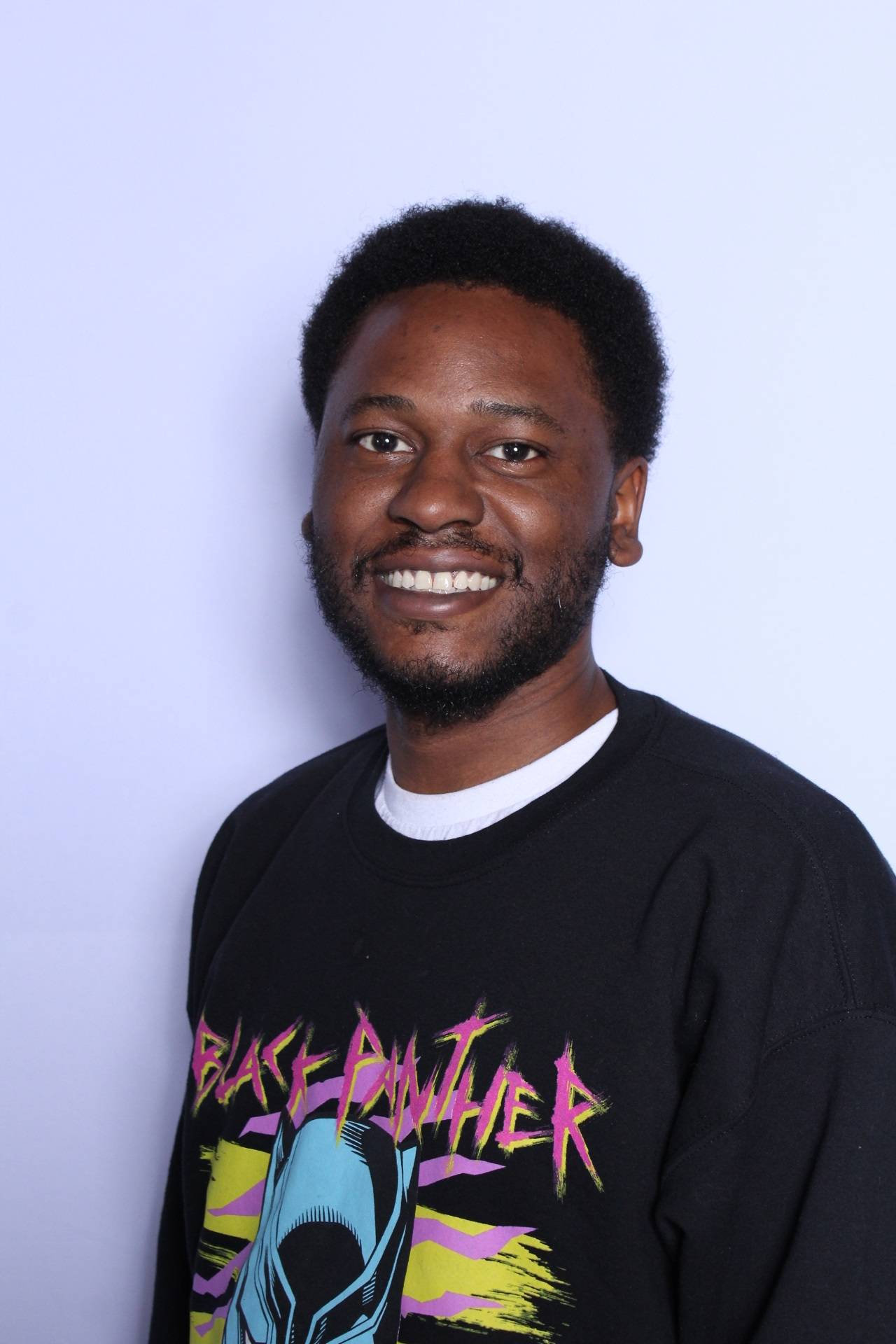
Professional UX Designer, Entrepreneur and overall creative. Spenser has been dedicated to sharing stories from our community and creating opportunities for others through various mediums. Founder of Black Business Mine Publishing House, a company that creates content distinctly for OUR community, while offering business consulting, and comprehensive web design and development services.
MILLIONAIRE WEB SERVICES | BOOK FREE WEBSITE CONSULTATION | SOCIAL MEDIA COURSES
STACKS & STORIES | DIGITAL CRAFT DIGEST | PLAY 2 WIN DA GAME SPORTS | NOTES FROM ELSEWHERE
Ready to Hire a VA?