The Ghost in the Groove: Part 2: Translating the Page — Restructuring Poetry for the Machine

The studio monitors hum with a low, expectant frequency. It is 4:00 AM now. The water-damaged notebook lies open under the amber glow of the desk lamp, its rippled pages holding the ink of a younger man. Beside it, the screen displays the sterile, blinking cursor of the AI interface.
Two different worlds. Two different languages.
When you look at a poem on a page, you are looking at a map of human breath. The line breaks tell you when to pause. The stanza shifts tell you when the thought turns. The white space around the text is just as important as the ink—it is the silence where the emotion settles. As a poet and a recording artist, I have spent decades learning how to navigate that map, how to stand in front of a microphone and translate that ink into sound.
But the machine does not breathe. It does not understand the sacred geometry of white space.
If you take a raw, unstructured poem and feed it directly into an algorithm, the result is often a beautiful disaster. The AI will sing the words, yes, but it will sing them with the relentless, unfeeling momentum of a metronome. It will rush past the heartbreak. It will linger on the conjunctions. It will treat a devastating confession with the same emotional weight as a grocery list.
To build K@MECRZE—to truly resurrect the salvaged poetry from the 2017 flood—I had to learn that the AI is not a mind reader. It is a brilliant, technically flawless session musician who has never felt a broken heart. You cannot just hand it the lyrics; you have to hand it the sheet music of your soul.
You have to learn how to translate the page.
The Architecture of Emotion
As a UX designer, I understand that every interface requires a specific syntax to function properly. The AI music generator is no different. The friction occurs because poetry is inherently ambiguous, while algorithms demand absolute clarity.
The first lesson in translating the page is understanding that the machine reads structure as emotion.
In a traditional poem, a sudden, short line might imply a gasp or a realization. To the AI, it is just fewer syllables to process before the next downbeat. To force the machine to feel the pause, you must become an architect of sound. You must use meta-tags—bracketed instructions like [Verse], [Chorus], [Bridge], and [Outro]—to build the skeleton of the song.
But the true artistry lies in the micro-directions.
When I wanted K@MECRZE to deliver a line with the heavy, exhausted weight of a man looking at his ruined archives, I couldn't just write the lyric. I had to instruct the machine: [Slow, spoken word, intimate]. When the chorus needed to swell with the defiant energy of survival, the tag became [Build up, heavy bass, passionate vocal].
You are no longer just writing poetry. You are writing stage directions for a ghost.

Phonetic Phantoms and the Rhythm of Code
The second lesson is perhaps the most unsettling: the machine does not understand how words feel in the mouth.
Hip-hop and spoken word rely heavily on internal rhyme, syncopation, and the deliberate bending of pronunciation. A human vocalist knows instinctively how to drag a vowel to make it fit the pocket of a beat, or how to clip a consonant to create a percussive strike.
The algorithm reads the dictionary definition of the word. It is rigidly, frustratingly correct.
To capture the authentic cadence of the salvaged poems, I had to break the rules of spelling. I had to rewrite the poetry phonetically, spelling words exactly as I wanted the AI vocalist to pronounce them. If I wanted a Southern drawl, I had to type the drawl. If I wanted a stuttering, hesitant delivery, I had to insert the hyphens: I... I re-mem-ber.
It is a strange, recursive process. You are taking a deeply human expression, breaking it down into a mechanical phonetic code, so that a machine can process it and output something that sounds deeply human again. You are reverse-engineering the soul.

The Space Between the Notes
The most difficult element to translate for the machine is silence.
In music, the space between the notes is what gives the notes their power. But an AI generator abhors a vacuum. Left to its own devices, it will fill every available second with instrumentation, vocal runs, or atmospheric noise. It is eager to please, and it equates silence with failure.
To teach K@MECRZE how to pause, I had to learn the syntax of absence.
Tags like [Instrumental break], [Acapella], or simply [Silence] became my most powerful tools. I learned to insert deliberate line breaks and punctuation marks—ellipses, em-dashes, multiple periods—not for grammatical correctness, but as visual speed bumps for the algorithm.
When the AI finally rendered a track where the music dropped out completely, leaving only a raw, isolated vocal delivering a line written thirty years ago... the hair on my arms stood up. The machine had learned how to hold its breath.
The Collaborative Séance
Translating the page for the machine is not a compromise of your artistic vision; it is an expansion of it.
It forces you to interrogate your own work with ruthless precision. You must ask yourself: What is the exact emotional frequency of this stanza? Where does the tension live? How long should the silence last? You are no longer just the writer; you are the conductor, the producer, and the director of a digital ensemble.
The water-damaged notebook on my desk is no longer just a relic of the past. It is the source code for a new kind of creation. By learning to speak the machine's language, I didn't lose the soul of the poetry. I gave it a voice that could finally cut through the static.
The translation is complete. The sheet music is written. Now, it is time to step into the digital booth and direct the band.
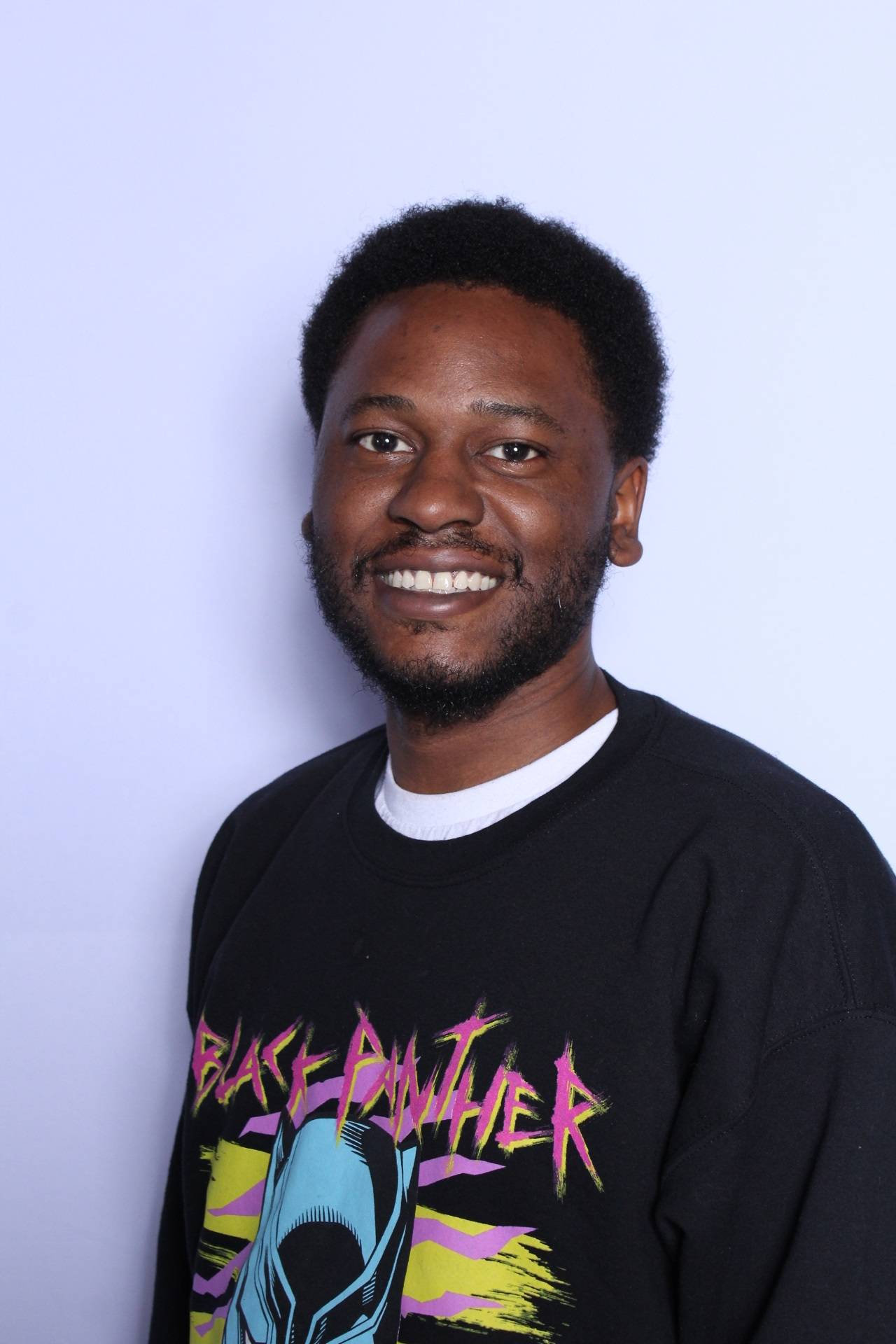
Professional UX Designer, Entrepreneur and overall creative. Spenser has been dedicated to sharing stories from our community and creating opportunities for others through various mediums. Founder of Black Business Mine Publishing House, a company that creates content distinctly for OUR community, while offering business consulting, and comprehensive web design and development services.
MILLIONAIRE WEB SERVICES | BOOK FREE WEBSITE CONSULTATION | SOCIAL MEDIA COURSES
STACKS & STORIES | DIGITAL CRAFT DIGEST | PLAY 2 WIN DA GAME SPORTS | NOTES FROM ELSEWHERE
Ready to Hire a VA?